Introduction and Background
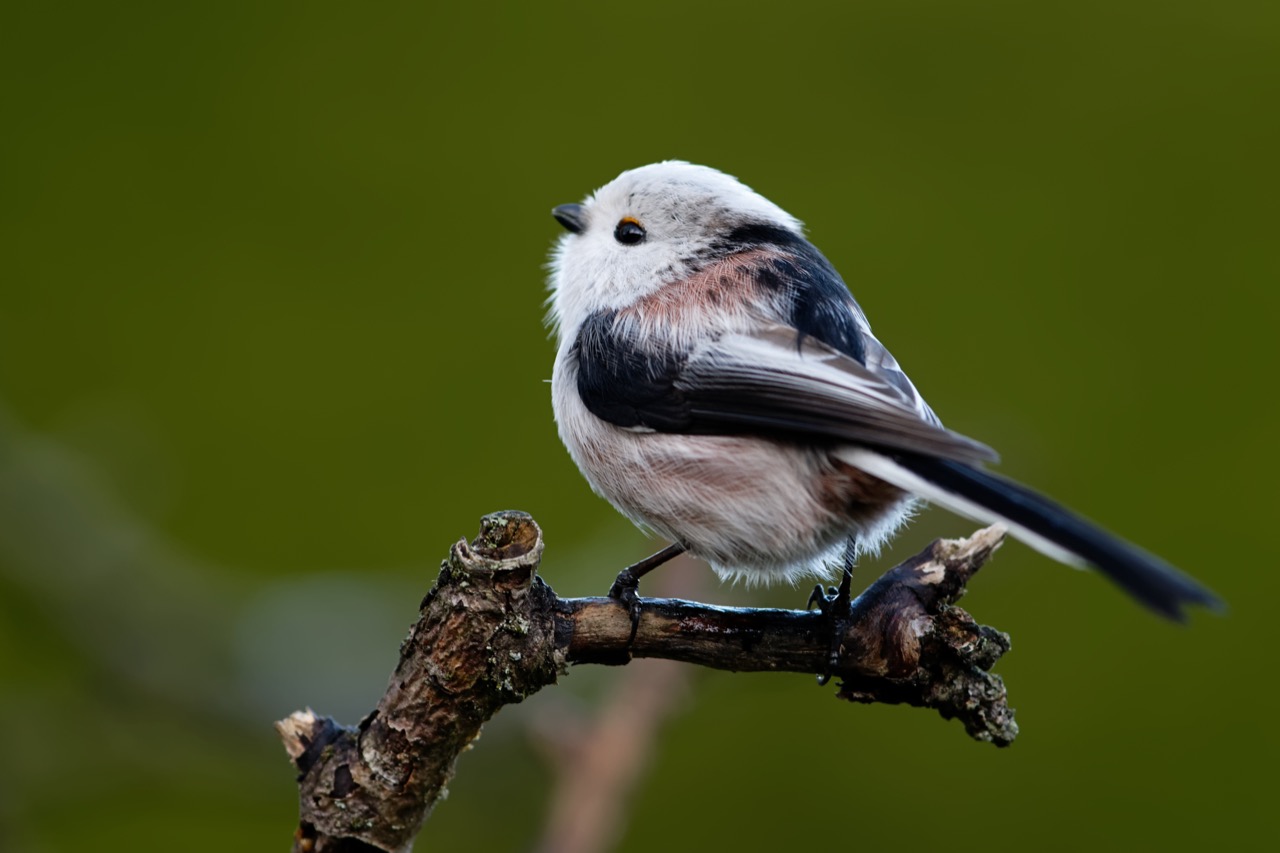
The Long-tailed Tit, a small bird known for its distinctive tail, which is typically longer than its body, is a charming spectacle in the avian world. This bird belongs to the family Aegithalidae and is scientifically named Aegithalos caudatus. Notably different from the typical garden birds due to its unique tail and undulating flight, the Long-tailed Tit is a small, round-bodied bird with a predominantly white, black, and pink plumage that captivates bird watchers. Originating from Europe and Asia, these birds have adapted remarkably to a variety of temperate environments.
Habitat and Natural Environment
Long-tailed Tits thrive in woodlands, gardens, and shrublands across Europe and parts of Asia. They are particularly fond of deciduous forests as well as mixed woodlands where thickets and brambles are prevalent. These habitats offer ample protection from predators and provide rich sources of food. Adaptability to different habitats is one of their strengths, allowing them to survive and flourish across various climatic conditions.
Diet and Daily Life
Primarily insectivorous, Long-tailed Tits feed on a diet rich in insects and spiders, especially during the breeding season to provide high protein to their young. In colder months, their diet shifts to include seeds and berries, demonstrating an adaptive foraging behavior that ensures survival across seasons. Social and gregarious, these birds are often seen in small, noisy flocks, which can include other tit species in winter, roaming through trees and shrubs in a relentless search for food.
Unique Adaptations and Abilities
One of the most fascinating adaptations of the Long-tailed Tit is its communal spirit, especially notable during the harsh winter months. These birds are known to roost closely together to share body heat, a vital behavior for surviving cold nights. Additionally, their nests are architectural marvels—oval-shaped structures elaborately woven from moss, spider silk, and feathers, making them both insulated and camouflaged against predators such as larger birds and squirrels.
Interactions with Humans
Long-tailed Tits have a generally positive relationship with humans, often visiting gardens and feeders, especially in winter. They are subjects of admiration and curiosity, enhancing the appeal of local biodiversity and encouraging bird watching. Their presence in urban settings is also indicative of green space health, serving as informal indicators of ecological stability.
Challenges and Threats
Despite their adaptability, Long-tailed Tits face significant threats from habitat destruction and climate change. Changes in land use, such as deforestation and urbanization, reduce their natural habitats. Climate variability can also disrupt their food availability, affecting their breeding success and survival rates.
Role in the Ecosystem
As insectivores, Long-tailed Tits play a crucial role in controlling insect populations, benefiting agricultural and forest health. Their activities help maintain ecological balance, demonstrating the interconnectedness of avian species within their habitats.
Fun Facts & Trivia
A delightful fact about the Long-tailed Tit is its nesting behavior; it is known to use over 1500 feathers to line its nest. Additionally, these birds are not just beautiful but also have a melodious call, a high-pitched twittering that adds a musical quality to their presence.
In conclusion, the Long-tailed Tit is not only a bird of beauty but of resilience and complexity. Its survival and behaviors offer great insights into the adaptability and interconnectedness of avian species with their environments, making it a fascinating subject for both avid birdwatchers and casual nature enthusiasts alike.