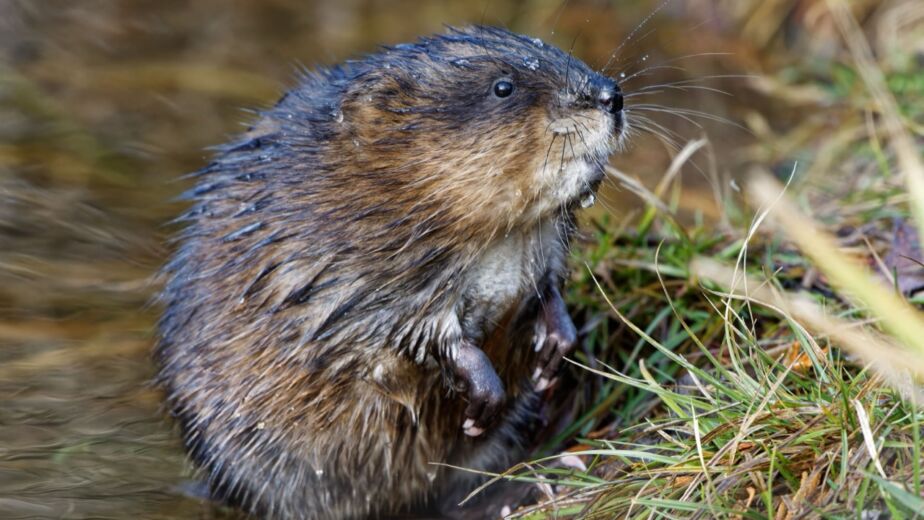
Introduction and Background
The capybara (Hydrochoerus hydrochaeris) holds the unique title of being the largest rodent in the world. Native to South America, this semi-aquatic mammal is a relative of guinea pigs and chinchillas, yet it dwarfs them in size. Adult capybaras can weigh between 35–66 kg (77–146 lbs) and grow over 1 meter (3.3 feet) in length. Despite their size, they are known for their calm, gentle personalities and social nature, which has made them a favourite in internet culture and wildlife parks alike.
Habitat and Natural Environment
Capybaras thrive in grassy wetlands, riversides, and savannas across South America, particularly in countries like Brazil, Venezuela, Colombia, and Argentina. Their lives are closely tied to water, which they rely on for both food and protection. They are excellent swimmers and can remain submerged for several minutes to hide from predators. During the hottest parts of the day, capybaras often wallow in muddy banks or shallow pools to keep cool, making their habitats essential for survival.
Diet and Daily Life
Herbivorous by nature, capybaras feed primarily on grasses and aquatic plants, though they also consume fruit and bark when available. Their teeth grow continuously, an adaptation to handle their tough, fibrous diet. Interestingly, capybaras practice coprophagy—re-ingesting their own droppings—to extract maximum nutrition, similar to rabbits.
Social creatures, capybaras live in groups of 10–20 individuals, though larger herds of up to 100 have been observed during dry seasons when water sources shrink. Within these groups, they maintain a hierarchy led by a dominant male, though conflicts are generally settled with minimal aggression. Grooming and vocal communication (chirps, whistles, and barks) are central to their daily interactions.
Unique Adaptations and Abilities
Capybaras have several remarkable adaptations:
- Webbed feet: These make them strong swimmers, allowing them to glide easily through rivers and marshes.
- Eyes, ears, and nostrils on top of the head: This placement helps them stay mostly submerged while remaining alert to danger.
- Thick, coarse fur: While not waterproof, it dries quickly in the tropical sun and provides insulation in cooler evenings.
- Social intelligence: Their highly cooperative behaviours—such as group babysitting of young—are key to their survival.
Interactions with Humans
Throughout history, humans have viewed capybaras in diverse ways. In some regions, they have been hunted for meat and hides, and at one point the Catholic Church even classified them as “fish” so that their meat could be eaten during Lent. Today, they are increasingly recognized as symbols of peace and calm, often featured in wildlife documentaries, internet memes, and even as exotic pets (though ownership is controversial and not legal everywhere).
Conservation organizations highlight capybaras as important ambassadors for wetland preservation, since protecting their habitats also safeguards countless other species.
Challenges and Threats
While capybaras are not currently endangered, they do face several threats:
- Predators: Jaguars, caimans, anacondas, and eagles prey on them, particularly on young capybaras.
- Habitat loss: Deforestation, agriculture, and wetland drainage reduce their available space.
- Hunting pressures: In some areas, they are still hunted for their meat and skin.
Fortunately, their wide distribution and adaptability have kept populations stable, though localized declines occur in heavily developed regions.
Role in the Ecosystem
Capybaras are ecosystem engineers. By grazing heavily on grasses, they help maintain balance in wetland ecosystems and open space for other plant species to grow. They also serve as a vital food source for top predators, making them a keystone part of the South American food web. In their role as prey and grazers, capybaras help sustain biodiversity in their environments.
Fun Facts & Trivia
- Capybaras are often called “nature’s ottomans”, as other animals—like monkeys and birds—frequently perch on their backs.
- They can hold their breath for up to five minutes, making them adept at hiding underwater when danger approaches.
- Capybara young are precocial, meaning they can run, swim, and graze just hours after birth.
- Their name comes from the Indigenous Tupi language, meaning “one who eats slender leaves.”
- Capybaras are so sociable that they are often seen befriending animals of other species, including ducks, cats, and even crocodiles in some cases.