
Introduction and Background
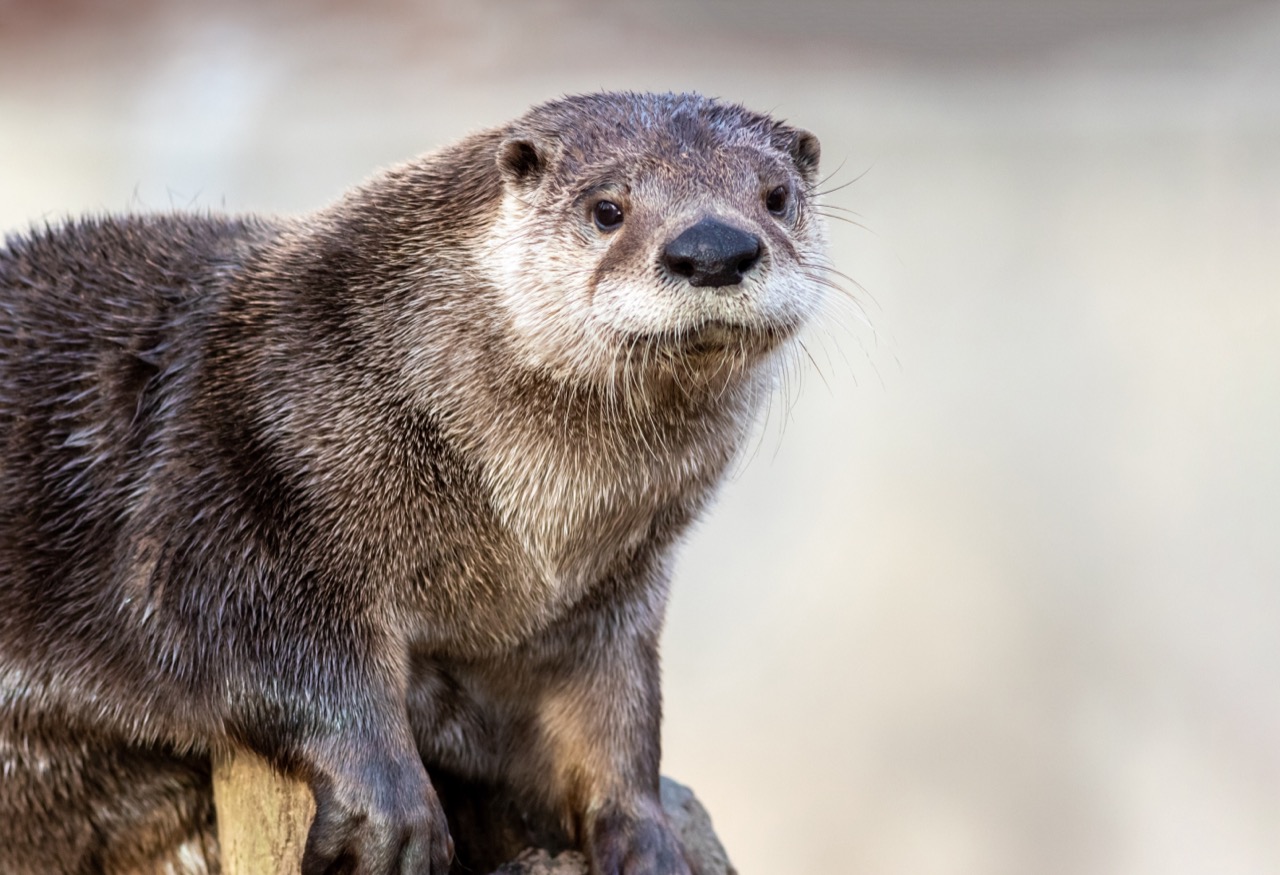
The North American river otter (Lontra canadensis) is a sleek, semi-aquatic mammal known for its playful personality, streamlined body, and remarkable adaptability. Belonging to the weasel family (Mustelidae), this otter is a skilled hunter and an excellent swimmer. Adult river otters typically weigh between 5–14 kg (11–31 lbs) and measure up to 1.3 meters (4 feet) long, including their muscular tail. Once threatened by habitat destruction and overhunting, these charismatic mammals have made an impressive comeback across much of their range in recent decades.
Habitat and Natural Environment
North American river otters live in lakes, rivers, streams, marshes, and coastal shorelines across the United States and Canada. They prefer unpolluted waters with abundant fish and plenty of shoreline vegetation for cover. Their dens are often burrows dug into riverbanks or abandoned beaver lodges, which provide easy access to the water.
Adaptability is one of their greatest strengths: otters can thrive in environments ranging from icy Canadian rivers to warmer southern wetlands, as long as water quality and prey availability remain high.
Diet and Daily Life
River otters are carnivorous predators, feeding primarily on fish such as perch, trout, and catfish. They also eat amphibians, crustaceans, small mammals, and even waterfowl when the opportunity arises.
These otters are mostly nocturnal and crepuscular (active at dawn and dusk), but they are occasionally seen during the day. Their daily activities revolve around hunting, grooming, and playing. Play is an essential part of otter life—young otters chase each other, slide down muddy banks, and wrestle in the water, all of which sharpen their hunting and swimming skills.
Unique Adaptations and Abilities
North American river otters are superbly adapted to aquatic living:
- Streamlined bodies and webbed feet allow for swift and graceful swimming.
- They can close their ears and nostrils underwater, preventing water from entering.
- A thick double-layered coat provides insulation, with an outer layer that repels water and a dense underfur that traps air for warmth.
- They can hold their breath for up to 8 minutes, enabling them to pursue prey underwater.
- Their long, muscular tail acts as both a rudder and a propeller.
Interactions with Humans
River otters have a complex relationship with humans. Historically, they were heavily hunted and trapped for their pelts, which were prized for their softness and durability in the fur trade. This led to population declines in many areas by the 19th and early 20th centuries.
Fortunately, conservation and reintroduction programs have restored otter populations in many regions. Today, they are viewed as a conservation success story and an indicator of healthy aquatic ecosystems. River otters also captivate people with their playful behaviour, making them popular in wildlife documentaries, zoos, and aquariums.
Challenges and Threats
While populations are stable overall, river otters still face certain threats:
- Pollution: Industrial chemicals, pesticides, and oil spills reduce fish availability and contaminate waterways.
- Habitat loss: Wetland drainage and shoreline development reduce suitable habitat.
- Human conflict: In some areas, otters are viewed as competitors by fishermen.
- Road mortality: Otters often travel between bodies of water, making them vulnerable to vehicle collisions.
Despite these challenges, the species is currently listed as Least Concern on the IUCN Red List due to its wide distribution and recovery efforts.
Role in the Ecosystem
River otters play a vital role as apex predators of freshwater systems. By feeding on fish and other aquatic life, they help maintain balanced populations and prevent any single species from dominating the ecosystem. Their presence also serves as an indicator of environmental health, since otters require clean, well-oxygenated water with abundant prey.
In essence, a thriving otter population signals a thriving waterway.
Fun Facts & Trivia
- River otters are known for their sliding behaviour, often sliding repeatedly down snowy or muddy hills just for fun.
- They can swim at speeds of up to 11 km/h (7 mph) and dive to depths of nearly 20 meters (65 feet).
- Unlike sea otters, river otters do not use tools to break open food.
- A group of otters is sometimes called a “romp” (on land) or a “raft” (in water).
- Otter kits are born blind and helpless but are swimming by the time they are two months old.
