Introduction and Background
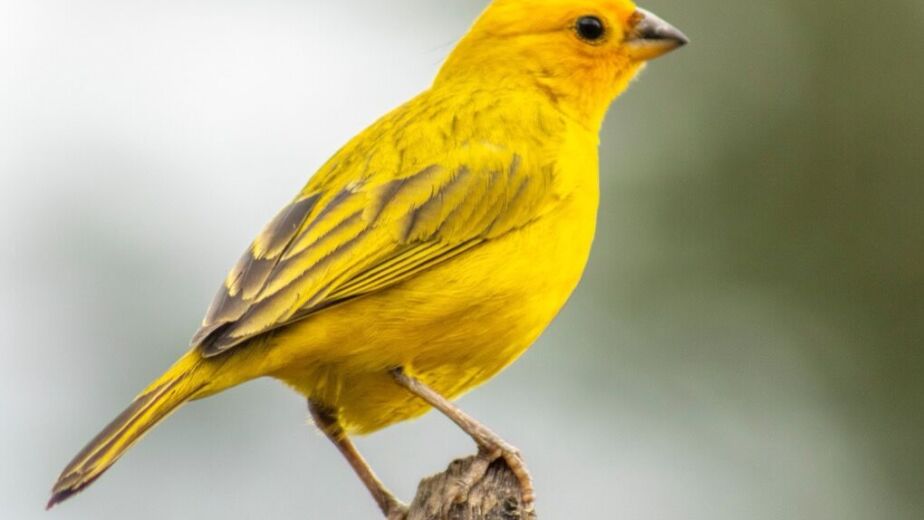
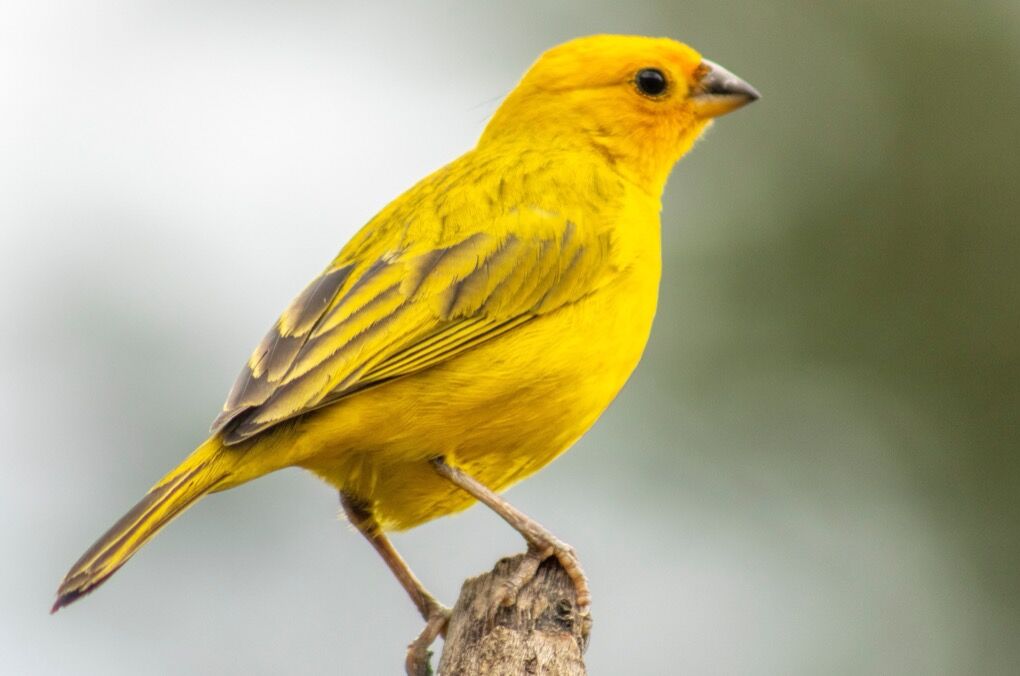
The Saffron Finch, with its vibrant yellow plumage, is a sight to behold in the lush landscapes of South America. This small bird, scientifically known as Sicalis flaveola, belongs to the passerine category, often thriving in open and semi-open areas in lowlands outside the Amazon Basin. Known for its bold color and cheerful song, the Saffron Finch is not just a mere bird; it is a symbol of brightness and resilience, adapting remarkably to both wild and urban environments. This article will explore the fascinating world of the Saffron Finch, delving into its habitat, diet, behaviors, and the unique challenges it faces today.
Habitat and Natural Environment
Typically found across northern and eastern South America, including parts of Colombia, Venezuela, Ecuador, Peru, Brazil, and the northern parts of Argentina and Uruguay, the Saffron Finch prefers warm climates. They are commonly seen in both natural and modified habitats, ranging from savannas and coastal scrublands to gardens and urban areas. Their adaptability to different environments is key to their survival, allowing them to thrive near human settlements where other species might falter.
Diet and Daily Life
The diet of the Saffron Finch primarily consists of seeds, grains, and small insects. They are often observed foraging on the ground in pairs or small flocks, fluttering up into bushes or trees when startled. Their day starts with the sun, singing melodious tunes that can often be heard during the breeding season, which is signaled by heavier rains that promote the growth of vegetation and insect populations.
Unique Adaptations and Abilities
One of the Saffron Finch’s most notable traits is its striking yellow plumage, which not only makes it a target for bird watchers but also plays a role in its mating rituals. The brighter the male, the more likely it is to attract a mate. They also have a robust singing ability, which is used to define territories and attract females. Interestingly, their song can vary distinctly from region to region, suggesting a complex communication system among local populations.
Interactions with Humans
The Saffron Finch has a dual image in human eyes: it is admired for its beauty and song, making it a popular pet, yet it is also often used in caged bird fights, a practice that has overshadowed its natural allure. In many cultures, they symbolize joy and vitality, often featured in art and folklore. Conservation efforts are in place to protect their natural habitats and control illegal trade, aiming to keep this species thriving both in the wild and in folklore.
Challenges and Threats
Despite their wide range and adaptability, Saffron Finches face threats from habitat destruction and the illegal pet trade. Urbanization leads to the loss of their natural habitats, pushing them into smaller, fragmented areas. Additionally, being a popular cage bird, they are often captured and sold illegally, which not only diminishes wild populations but also spreads diseases among captive and wild birds.
Role in the Ecosystem
Saffron Finches contribute to their ecosystem by aiding in seed dispersal and insect population control. Their feeding habits help in the maintenance of plant life and the ecological balance of insect species, proving that even the smallest birds play an essential role in their habitats.
Fun Facts & Trivia
– The Saffron Finch is often mistaken for the canary due to its bright yellow color, but unlike canaries, it does not belong to the finch family of the Northern Hemisphere.
– They are known to live up to approximately 10 years in the wild, demonstrating significant resilience.
– During the mating season, males can become quite territorial and are known to engage in feisty displays to ward off rivals.
The Saffron Finch is not just another bird; it is a vibrant symbol of the tropical regions it inhabits, bringing color and melody to its surroundings. As we continue to explore and understand these creatures, we learn more about the importance of every species in maintaining the balance of our ecosystems.