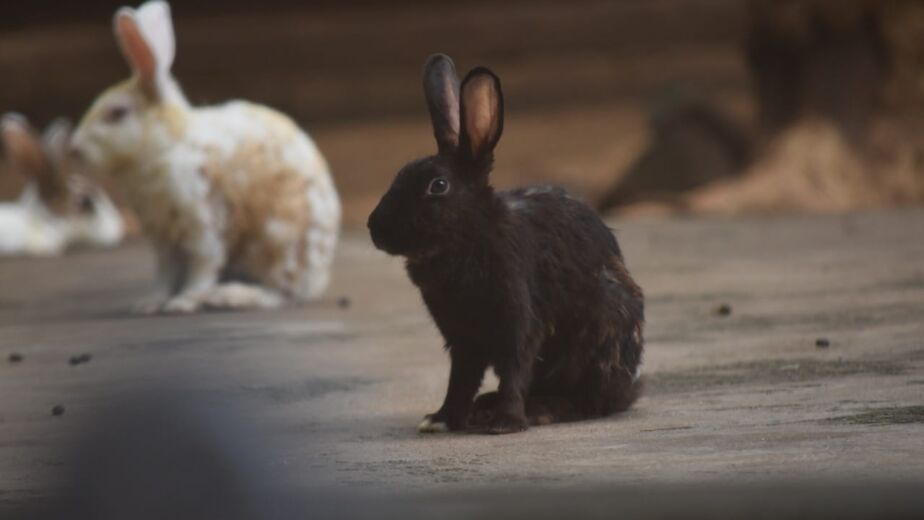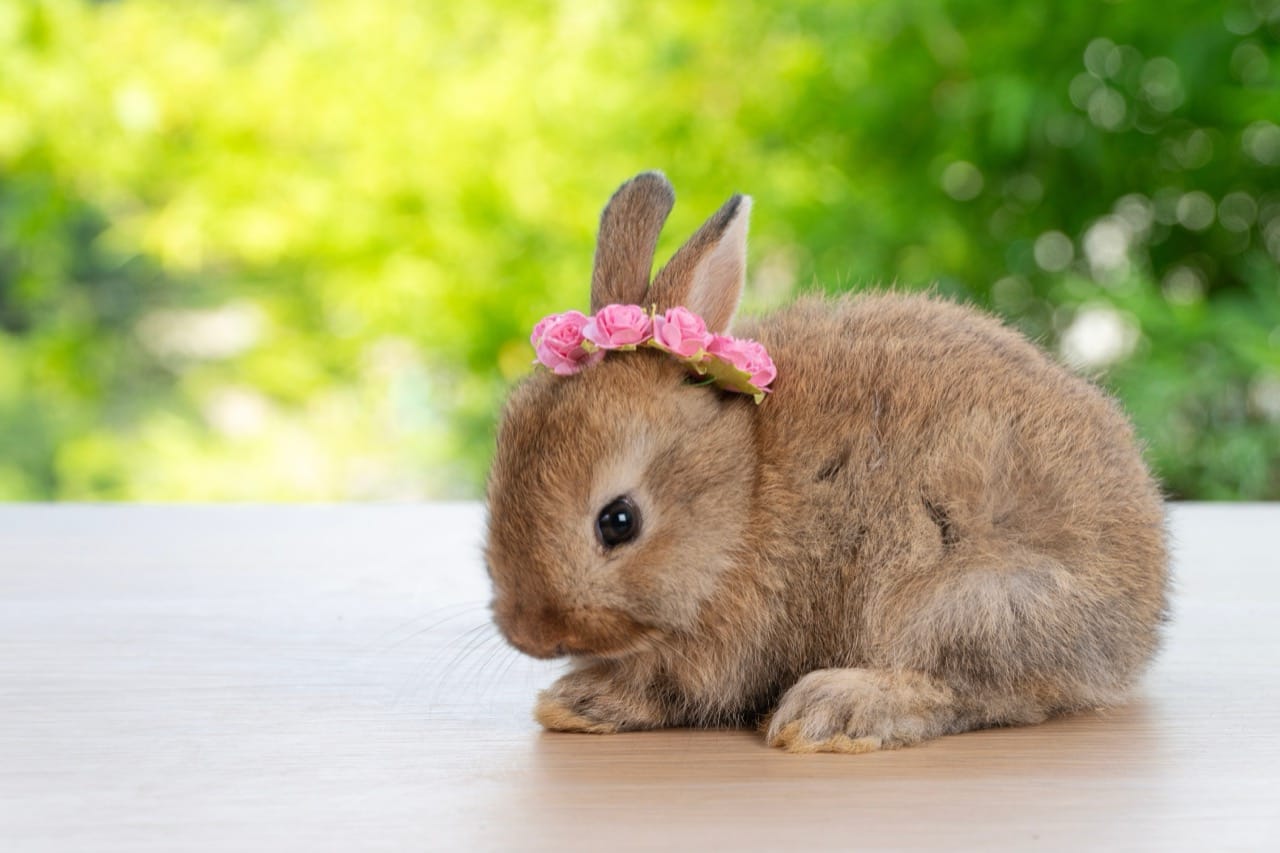
The Eastern Cottontail, scientifically known as Sylvilagus floridanus, is a common yet captivating sight in the meadows and gardens of North America. This adorable creature is not just a symbol of cuteness but plays a significant role in the biodiversity of its habitat. The Eastern Cottontail’s ability to adapt to various environments makes it a subject of interest for both ecologists and wildlife enthusiasts.
Characteristics / Physical Description
The Eastern Cottontail is distinguished by its robust body, brownish-gray fur, and the iconic fluffy white tail that resembles a cotton ball, which gives it its name. Adults typically weigh between 2 to 4 pounds and measure about 15 to 19 inches in length. Their large brown eyes and long ears not only add to their alert demeanor but also enhance their adaptability by helping them detect predators from a distance.
Taxonomy and Classification
Belonging to the family Leporidae, the Eastern Cottontail is a member of the order Lagomorpha. It is one of the several species of cottontail rabbits; however, its widespread presence across North America makes it the most encountered species in the region.
Behavior and Social Structure
Eastern Cottontails are primarily solitary animals, coming together only during the breeding season. Known for their shy and cautious nature, they have a crepuscular to nocturnal activity pattern, feeding during the twilight hours. Their sharp senses and quick reflexes help them escape predators, employing a zigzag running pattern to evade capture.
Habitat and Distribution
This species thrives in a variety of habitats including meadows, forests, grasslands, and even suburban areas where shrubbery provides ample cover. Their range extends throughout the United States, southern Canada, and into Central America, adapting remarkably to different environments.
Diet and Feeding Habits
Omnivorous in nature, the diet of Eastern Cottontails includes a wide variety of vegetation such as grass, leaves, fruits, and vegetables. During winter, when vegetation is scarce, they survive on twigs, bark, and buds. This varied diet helps them to inhabit areas with differing food availability.
Breeding and Reproduction
The breeding season for Eastern Cottontails starts in early spring and can last until late summer. Females can have multiple litters each year, each consisting of up to seven young. The nests are shallow depressions in the ground lined with grass and fur. The young are born blind and helpless but grow rapidly and are weaned within a month.
Relationship with Humans
Eastern Cottontails have a nuanced relationship with humans. On one hand, they are often welcomed as charming visitors in gardens. On the other, they can be considered pests due to their tendency to feed on cultivated plants. Furthermore, they play a vital role in the food chain, supporting local predators, and are also used in scientific research, contributing to ecological studies.
Evolutionary History
The evolutionary history of the Eastern Cottontail traces back to the Pleistocene epoch, indicating their long-standing presence in North America. Adaptations such as their reproductive strategy and versatile diet have enabled them to survive through environmental changes and predation pressures.
Use as Research Animals
While not as commonly used as lab animals like mice or rats, Eastern Cottontails have contributed to scientific understanding in areas such as reproductive biology and wildlife management. Their adaptability makes them excellent subjects for studies on environmental impact and ecological balance.
The Eastern Cottontail is more than just a symbol of cuteness; it’s a resilient and adaptable creature that plays a crucial role in its ecosystem. By understanding and appreciating these animals, we can better support the biodiversity that is vital for a healthy planet.